Lifecycle visibility
A shared view of deadlines, approvals, deliverables, balances, risks, and changes helps teams act before a problem becomes urgent.

Research administration topic
Grants management is the coordinated administration of sponsored funding from opportunity review and application through award performance, reporting, and closeout. It turns sponsor terms and institutional commitments into organized work, documented controls, and timely decisions.
 grants management
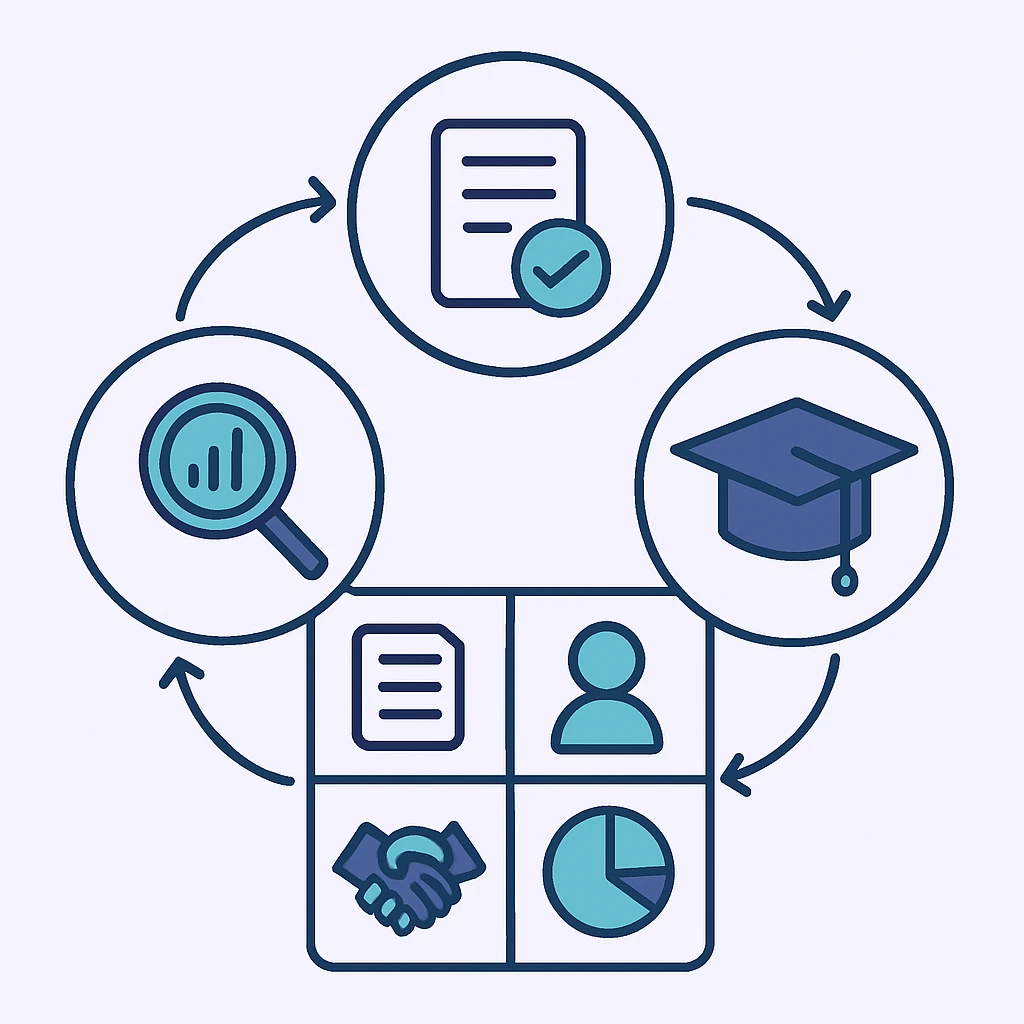
Defined term: Grants management is the coordinated administration of sponsored funding from opportunity review and application through award performance, reporting, and closeout. It turns sponsor terms and institutional commitments into organized work, documented controls, and timely decisions.
Scope becomes clearer when responsibilities, authority, records, and decision points are visible. The dimensions below show how the topic operates across the research enterprise.
Core dimensions
Each area requires policy knowledge, usable processes, clear ownership, and professional judgment.
A shared view of deadlines, approvals, deliverables, balances, risks, and changes helps teams act before a problem becomes urgent.
Budgets, allowable costs, payroll, cost sharing, indirect costs, invoicing, and reconciliation need consistent records and timely review.
Award terms, reporting schedules, approvals, subrecipient monitoring, and closeout requirements must be assigned and tracked.
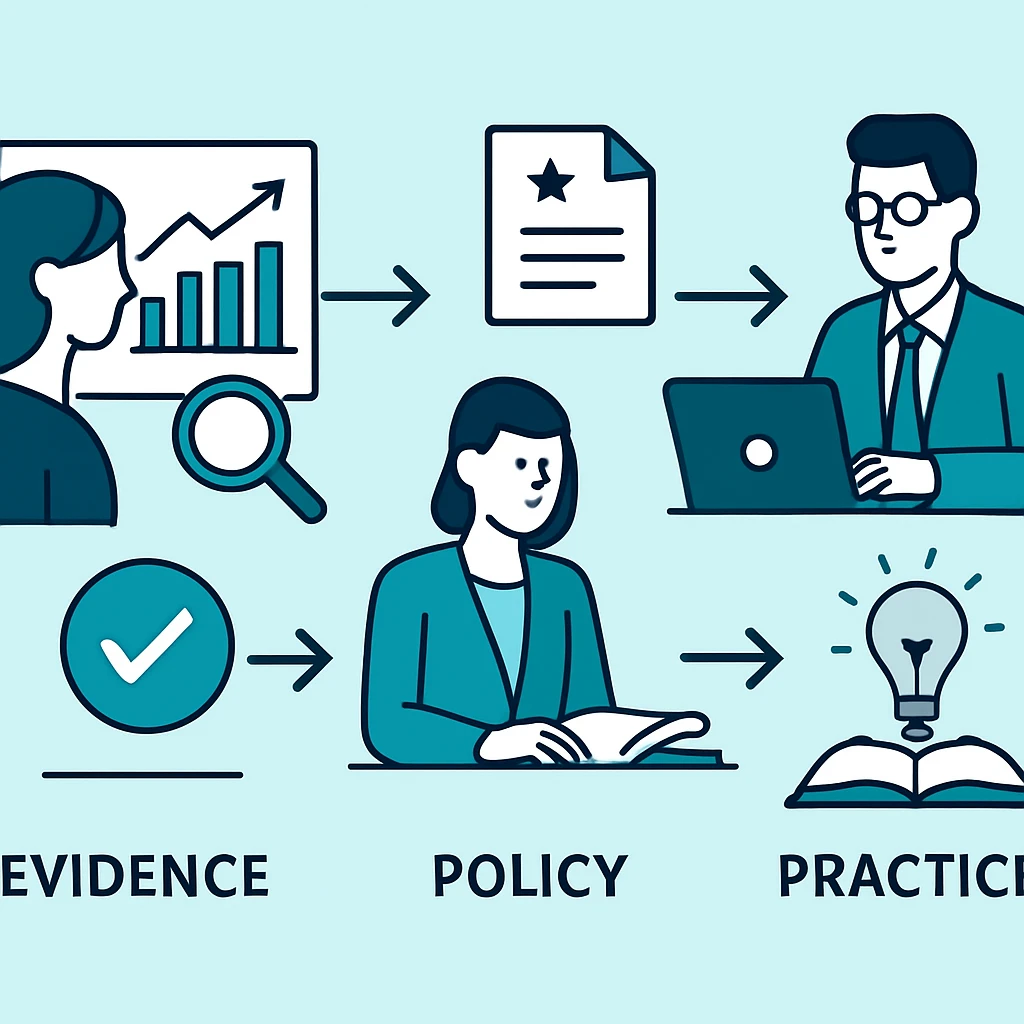
Local structures vary, but the work generally moves through a sequence of definition, review, authorization, performance, monitoring, and learning.

Effective grants management makes the award understandable to the people doing the work. Dashboards and checklists are useful only when they reflect current terms, reliable financial data, named owners, and clear escalation paths.
Measures should be defined carefully and interpreted with context. A faster process is not necessarily better when it creates rework, weakens oversight, or shifts hidden effort to another team.
Related resources
Use these routes to move from the broad topic into a focused workflow or decision.
Read the connected resource for deeper context, practical steps, and related questions.
Read the connected resource for deeper context, practical steps, and related questions.
Read the connected resource for deeper context, practical steps, and related questions.
Common questions
It begins before submission, when the team interprets sponsor requirements, develops commitments, and decides whether the proposed work is feasible.
The institution is usually the legal recipient, while investigators and administrative units share defined responsibilities. The award record should make decision authority and task ownership explicit.
Incomplete handoffs are a frequent cause. Missing terms, approvals, budget assumptions, subrecipient documents, or reporting dates can slow setup and create later corrections.
Sources
These external resources provide additional policy or practice context. The journal’s own published policies govern its workflow.
Move into a related guide, compare connected topic hubs, or search the journal archive for relevant records.