Research practices
Sound records, appropriate methods, transparent analysis, data protection, and accurate reporting support trustworthy work.

Research administration topic
Research integrity is the commitment to honest, accurate, transparent, accountable, and respectful research. It includes responsible conduct throughout planning, data collection, analysis, authorship, peer review, publication, supervision, collaboration, and stewardship.
 research integrity
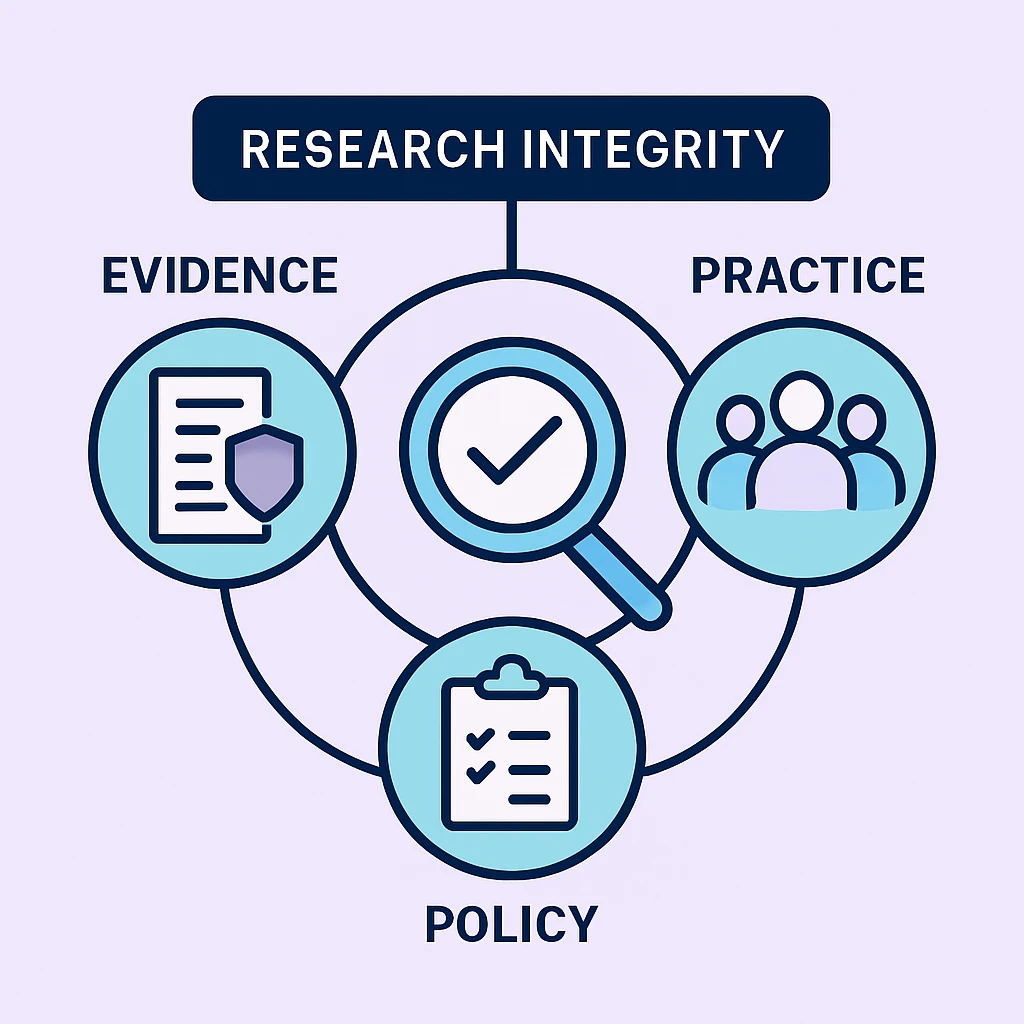
Defined term: Research integrity is the commitment to honest, accurate, transparent, accountable, and respectful research. It includes responsible conduct throughout planning, data collection, analysis, authorship, peer review, publication, supervision, collaboration, and stewardship.
Scope becomes clearer when responsibilities, authority, records, and decision points are visible. The dimensions below show how the topic operates across the research enterprise.
Core dimensions
Each area requires policy knowledge, usable processes, clear ownership, and professional judgment.
Sound records, appropriate methods, transparent analysis, data protection, and accurate reporting support trustworthy work.
Authorship, contribution, mentoring, collaboration, conflicts, and peer review require clear expectations and fair treatment.
Education, advice, reporting, assessment, investigation, corrective action, and record repair must follow documented procedures.
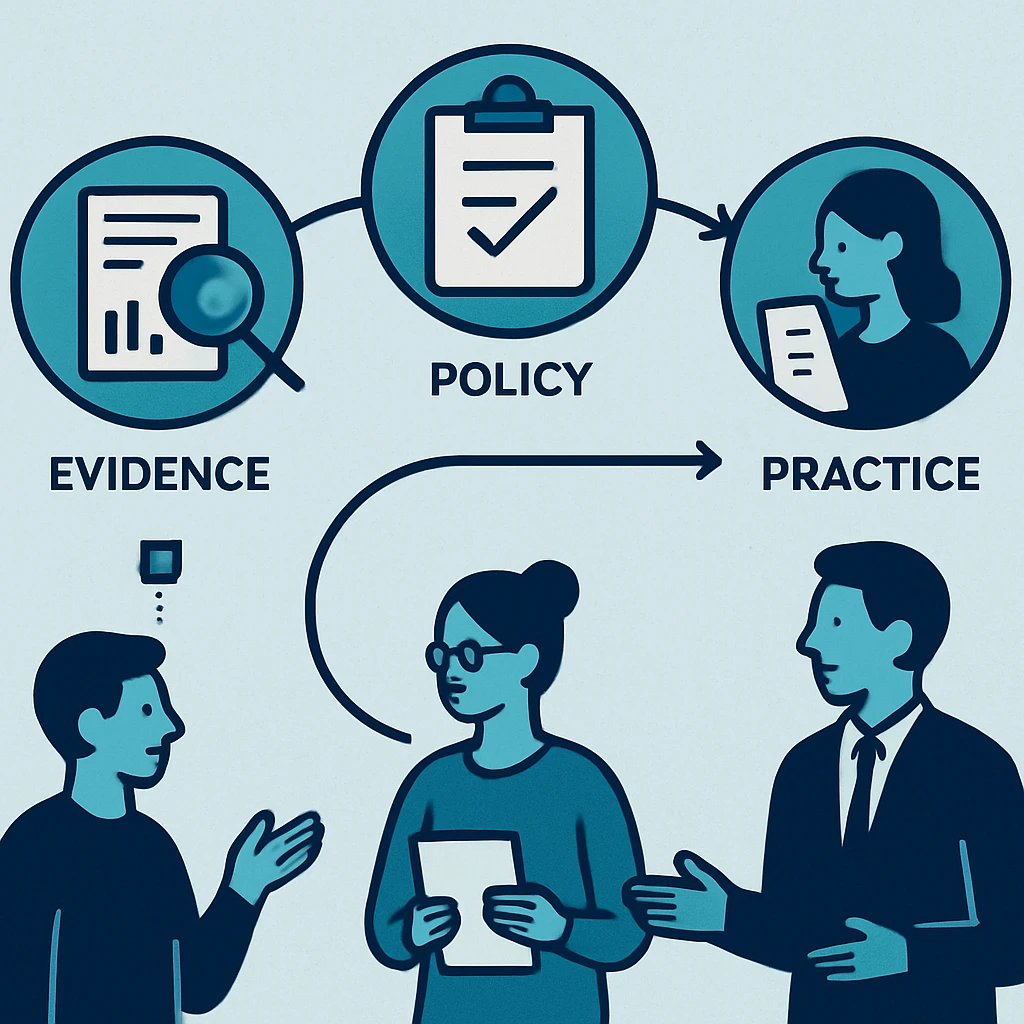
Local structures vary, but the work generally moves through a sequence of definition, review, authorization, performance, monitoring, and learning.
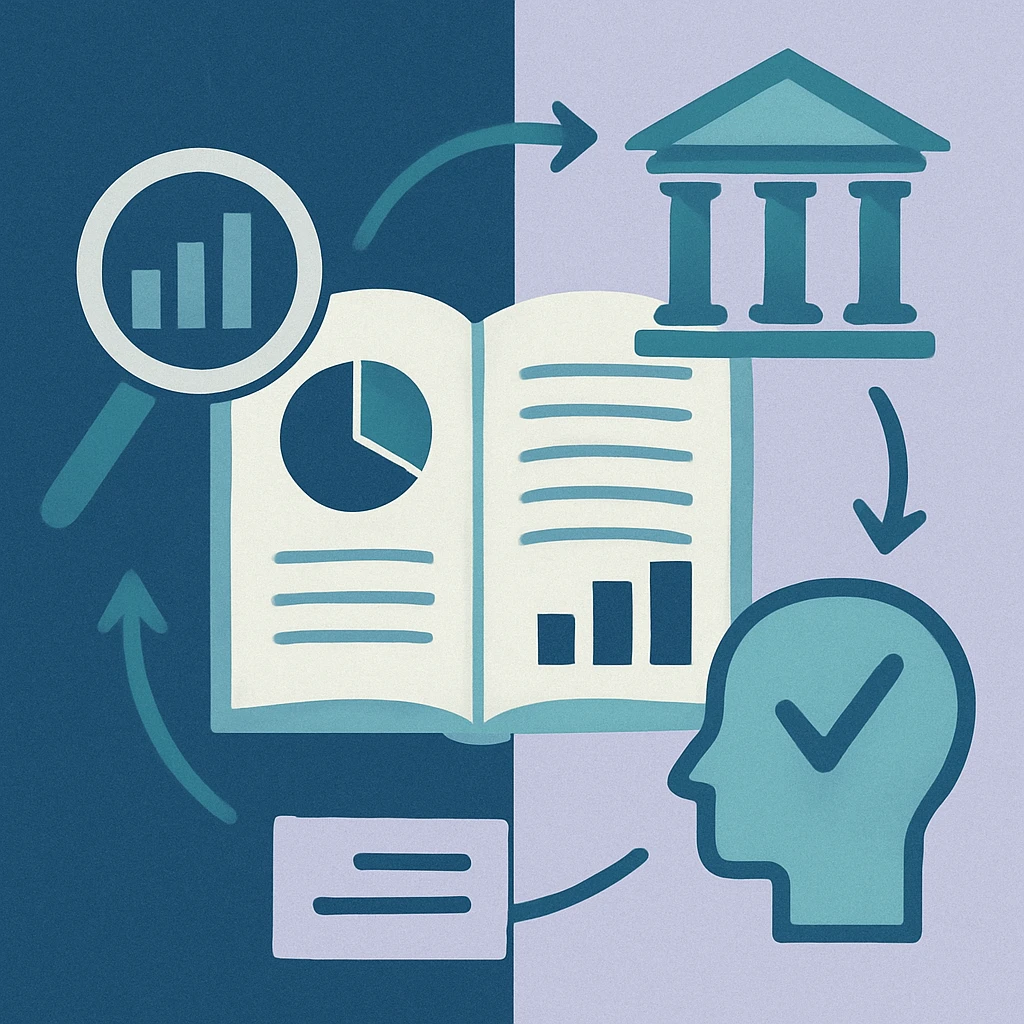
Integrity is not achieved by training alone. Institutions also need workable systems, responsible leadership, safe reporting routes, fair procedures, and incentives that do not reward concealment or careless speed.
Measures should be defined carefully and interpreted with context. A faster process is not necessarily better when it creates rework, weakens oversight, or shifts hidden effort to another team.
Related resources
Use these routes to move from the broad topic into a focused workflow or decision.
Read the connected resource for deeper context, practical steps, and related questions.
Read the connected resource for deeper context, practical steps, and related questions.
Read the connected resource for deeper context, practical steps, and related questions.
Common questions
No. Error, poor practice, policy violation, and research misconduct require different assessments. The evidence, intent, recklessness, significance, and applicable definition matter.
Responsibilities may be shared among investigators, team members, institutions, sponsors, and data stewards. Expectations should be established before a dispute or departure occurs.
Early, revisited discussion reduces misunderstandings and helps align credit and accountability with actual contributions.
Sources
These external resources provide additional policy or practice context. The journal’s own published policies govern its workflow.
Move into a related guide, compare connected topic hubs, or search the journal archive for relevant records.