Before publication
Check authorship, ethics approval, consent, funding, conflicts, originality, data availability, and reporting.

Research and publishing integrity
Publication ethics protects authors, reviewers, editors, readers, research participants, and the scholarly record. The journal applies documented procedures to authorship, competing interests, plagiarism, duplicate publication, data and image integrity, research misconduct concerns, confidentiality, and editorial conflicts.
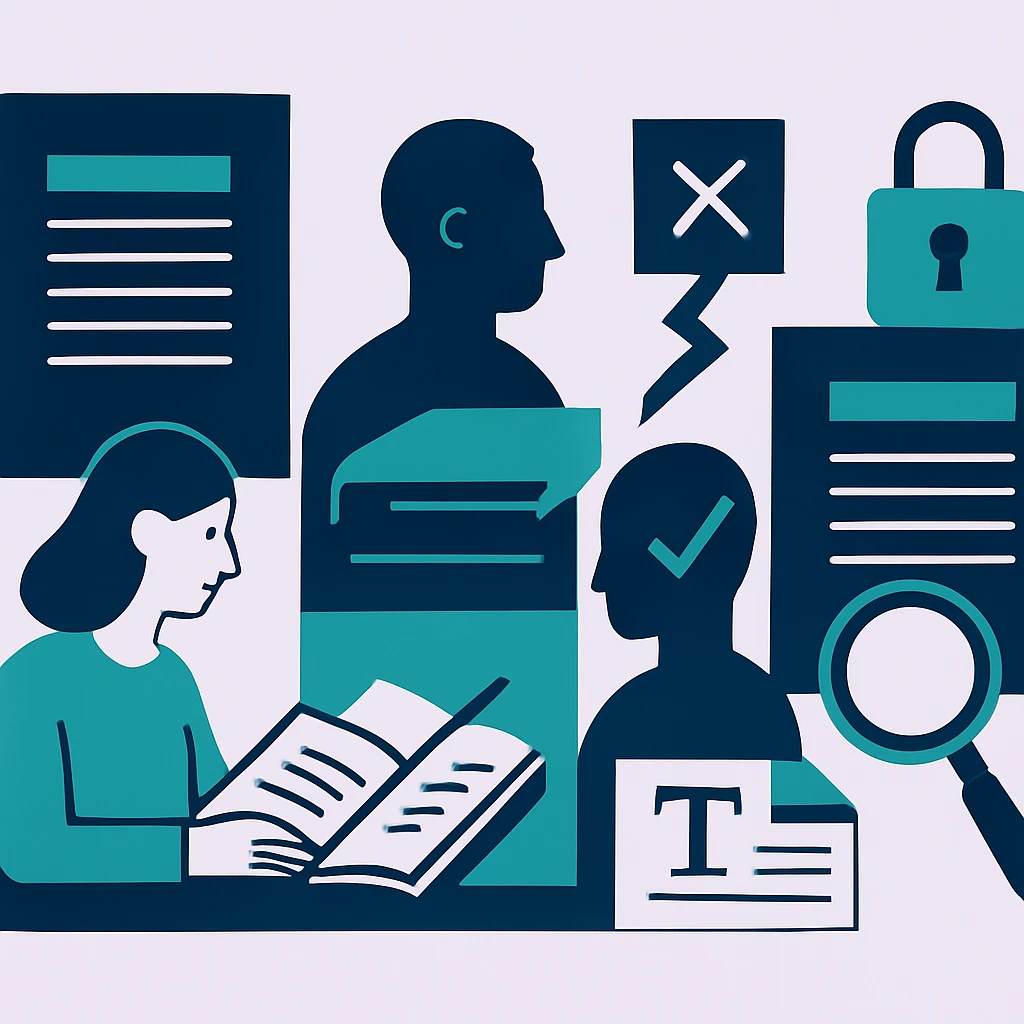 journal publication ethics

Authors are responsible for an accurate account of the work, appropriate attribution, complete declarations, and lawful use of data, figures, and third-party material. Reviewers are responsible for confidential, timely, fair, and evidence-based assessment.
Editors are responsible for consistent decisions, conflict management, appropriate expert input, and proportionate responses to concerns. The publisher supports due process, record preservation, and editorial independence.
Key routes
Each route connects to the record or policy needed for the next decision.
Check authorship, ethics approval, consent, funding, conflicts, originality, data availability, and reporting.
Protect confidentiality, manage conflicts, assess concerns, and document decisions.
Correct the record visibly and investigate credible concerns without silently changing findings.
Practical detail
A concern should identify the specific article, passage, figure, data point, disclosure, or process involved and provide supporting information when available. Editors should separate evidence from allegation and avoid unnecessary disclosure while the matter is assessed.
The response depends on the issue. Possible actions include clarification, correction, expression of concern, retraction, rejection, reviewer replacement, editorial recusal, or referral to an institution or other responsible body.
Common questions
Any relationship or interest that could reasonably be perceived to influence the work or decision should be disclosed so it can be evaluated.
No. Similarity reports are screening tools. Editors must assess context, quotation, citation, common language, methods text, and the nature of any overlap.
Removal is exceptional. The journal ordinarily preserves the citation record and uses a correction, retraction, or other notice suited to the problem.
Sources
These external resources provide additional policy or practice context. The journal’s own published policies govern its workflow.
Use the correction or complaints route that matches the concern and provide evidence rather than broad accusation.