

Research Administration Insights

What Is Research Administration? Roles, Functions, and Career Context

Research administration is the institutional work that helps research move from an idea to a responsibly managed project and a durable scholarly or public outcome. The profession connects investigators, sponsors, finance, compliance, contracts, data, policy, and leadership without replacing the scientific or scholarly judgment of the research team.

Publication: August 5, 2026Author: Journal Editorial TeamReview: Editorial standards checkStatus: Editorial · Not peer reviewed
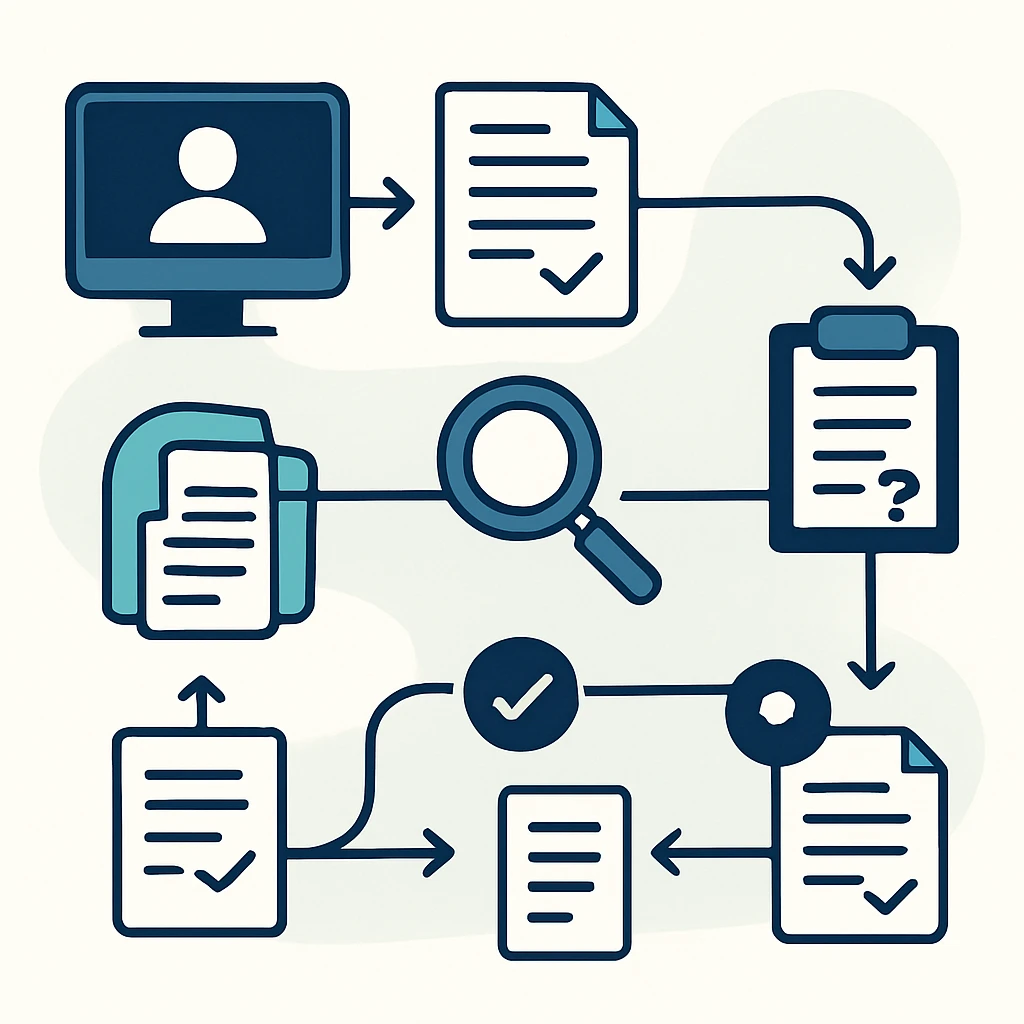
Editorial illustration representing What Is Research Administration? Roles, Functions, and Career Context what is research administration
1Practical context2Decision points3Action checklist4Common questions5Cited sources
Editorial status: This is a non-peer-reviewed explainer. Use the cited authoritative sources, applicable award terms, and institutional policy for decisions that create legal, financial, ethical, or compliance obligations.
Connected steps in the what is research administration? roles, functions, and career context process
01

The work spans the full research lifecycle

Before an application is submitted, research administrators interpret opportunities, shape timelines, develop budgets, coordinate collaborators, identify approvals, and confirm institutional commitments. After an award arrives, the work shifts toward terms, setup, financial management, reporting, changes, subrecipients, and closeout.

The same lifecycle may also involve research integrity, human or animal oversight, biosafety, data management, security, clinical operations, intellectual property, publication, and impact. No single office owns every responsibility, so coordinated handoffs matter.

1

Roles vary by institution and career stage

Job titles differ widely. A proposal specialist may focus on funding applications, while a grant accountant supports transactions and financial reporting. Contract officers, compliance professionals, research-development staff, data stewards, clinical research administrators, and technology-transfer professionals bring other forms of expertise.

Early-career roles often emphasize reliable process execution and policy learning. More senior roles add complex negotiation, portfolio strategy, staff leadership, systems design, risk judgment, and institutional governance.

2

Good administration combines service and stewardship

Researchers need timely, practical help, but speed alone is not the goal. Institutions must accept only commitments they can meet, protect participants and data, use funds appropriately, and maintain accurate records.

The strongest offices make responsible action easier. Clear guidance, usable systems, transparent decision paths, and respectful consultation reduce last-minute escalation and help investigators plan with fewer surprises.

3

The profession is increasingly analytical

Research offices use workload data, cycle times, error patterns, sponsor feedback, closeout aging, and service measures to understand where processes fail. These measures are useful when they prompt inquiry rather than simplistic ranking.

Technology can automate routine checks and routing, but professional judgment remains essential when requirements conflict, facts are incomplete, or a decision affects institutional risk and research feasibility.

Practical review checklist for What Is Research Administration? Roles, Functions, and Career Context
02

Practical Review Checklist

Use this checklist to prepare the conversation, record, or workflow before a deadline or formal review.

  • Learn the lifecycle before specializing too narrowly.
  • Understand who holds institutional authority at each stage.
  • Write decisions and handoffs so another person can follow them.
  • Balance investigator service with sponsor and institutional responsibilities.
  • Build policy, financial, communication, and data skills together.

Common questions

Questions Readers and Contributors Ask

Is research administration the same as project management?

Project management is one useful component, but research administration also includes institutional authority, sponsor terms, compliance, finance, policy, and stewardship of the scholarly record.

Do research administrators need to be researchers?

Not always. Domain knowledge helps, but the profession also depends on policy interpretation, finance, contracts, systems, communication, and operational judgment.

Where can someone start a career?

Entry points include proposal development, departmental administration, central sponsored programs, grant accounting, compliance, clinical research, data services, and research development.

Sources

Sources and Authoritative Guidance

These external resources provide additional policy or practice context. The journal’s own published policies govern its workflow.

Related reading

Continue With Connected Resources

Use these internal routes for a broader topic view or a closely related workflow.

Apply the Guidance With the Governing Record in View

Confirm current sponsor terms, institutional policy, and responsible-office authority before acting on a real project.