Research Administration Insights

How to Build a Clear Grant Budget and Budget Justification

A grant budget translates the proposed work into a financial plan, while the budget justification explains why the requested costs are necessary and how they were estimated. The two documents should align with the narrative, timeline, sponsor rules, and institutional commitments.

Publication: October 21, 2026Author: Journal Editorial TeamReview: Editorial standards checkStatus: Editorial · Not peer reviewed
Editorial illustration representing How to Build a Clear Grant Budget and Budget Justification grant budget justification
1Practical context2Decision points3Action checklist4Common questions5Cited sources
Editorial status: This is a non-peer-reviewed explainer. Use the cited authoritative sources, applicable award terms, and institutional policy for decisions that create legal, financial, ethical, or compliance obligations.
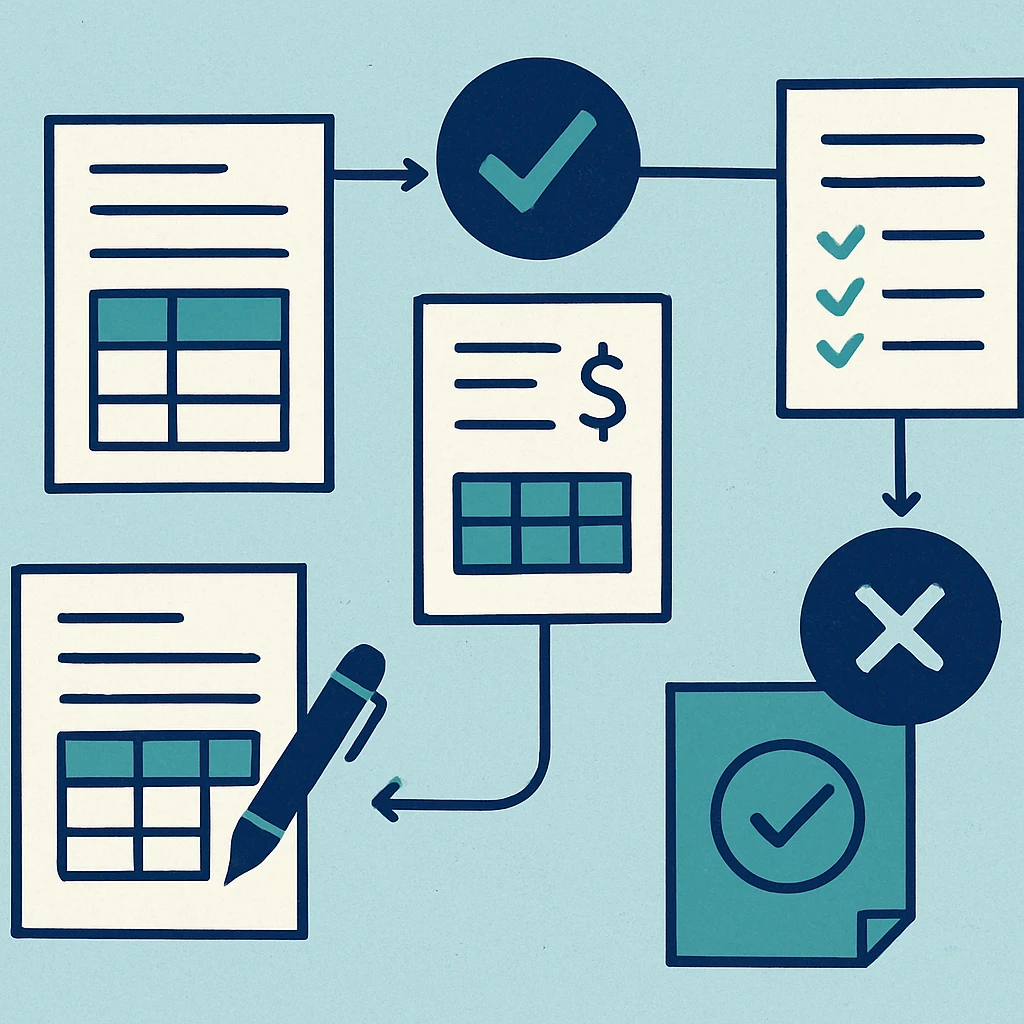
Connected steps in the how to build a clear grant budget and budget justification process
01

Start with the work, not a target total

List the people, time, equipment, supplies, travel, services, participant costs, subawards, data, and other resources required for each activity. Estimate costs using documented institutional rates, quotes, historical data, or reasonable assumptions.

Avoid adding or removing costs only to reach a sponsor ceiling without reassessing the scope.

1

Connect personnel and effort to responsibilities

Describe each role, the work performed, and the basis for salary and effort. Account for salary limits, fringe benefits, appointment type, escalation assumptions, and institutional policy as applicable.

The narrative should not promise full-time leadership while the budget requests negligible effort without explanation.

2

Explain unusual or easily misunderstood costs

Large equipment, consultant fees, specialized services, participant support, international activity, subawards, tuition, cost sharing, and excluded indirect costs often need additional context.

A strong justification is specific enough for review but does not repeat the entire technical narrative.

3

Check the full budget model

Reconcile direct costs, indirect costs, cost sharing, sponsor caps, period totals, and subaward calculations. Confirm that the justification, forms, internal budget, and partner documents agree.

Document assumptions so post-award teams can understand what was planned when the award arrives.

Practical review checklist for How to Build a Clear Grant Budget and Budget Justification
02

Practical Review Checklist

Use this checklist to prepare the conversation, record, or workflow before a deadline or formal review.

  • Tie every major cost to a project activity.
  • Use current, documented rates and assumptions.
  • Explain roles, effort, and cost basis clearly.
  • Reconcile sponsor forms, internal budget, and justification.
  • Preserve estimates and approvals for award setup.

Common questions

Questions Readers and Contributors Ask

What makes a budget cost reasonable?

A reasonable cost reflects what a prudent person would pay under the circumstances, considering market conditions, institutional practices, sponsor rules, and project needs.

Should every line item receive the same detail?

No. Focus detail where the sponsor requires it or where the purpose, amount, method, or allowability may not be obvious.

Can the budget change after submission?

Sponsors may request revisions, and award negotiation may change the amount or scope. Any revision should be authorized and preserved.

Sources

Sources and Authoritative Guidance

These external resources provide additional policy or practice context. The journal’s own published policies govern its workflow.

Related reading

Continue With Connected Resources

Use these internal routes for a broader topic view or a closely related workflow.

Research Finance

Continue into the connected resource for definitions, context, and practical detail.

Open Research Finance

Apply the Guidance With the Governing Record in View

Confirm current sponsor terms, institutional policy, and responsible-office authority before acting on a real project.