Research Administration Insights

Subrecipient Monitoring: Responsibilities and Risk Controls

Subrecipient monitoring is the pass-through entity’s ongoing process for understanding a subaward, assessing risk, communicating requirements, reviewing performance, and responding to problems. It is broader than collecting an annual audit document.

Publication: November 18, 2026Author: Journal Editorial TeamReview: Editorial standards checkStatus: Editorial · Not peer reviewed
Editorial illustration representing Subrecipient Monitoring: Responsibilities and Risk Controls subrecipient monitoring
1Practical context2Decision points3Action checklist4Common questions5Cited sources
Editorial status: This is a non-peer-reviewed explainer. Use the cited authoritative sources, applicable award terms, and institutional policy for decisions that create legal, financial, ethical, or compliance obligations.
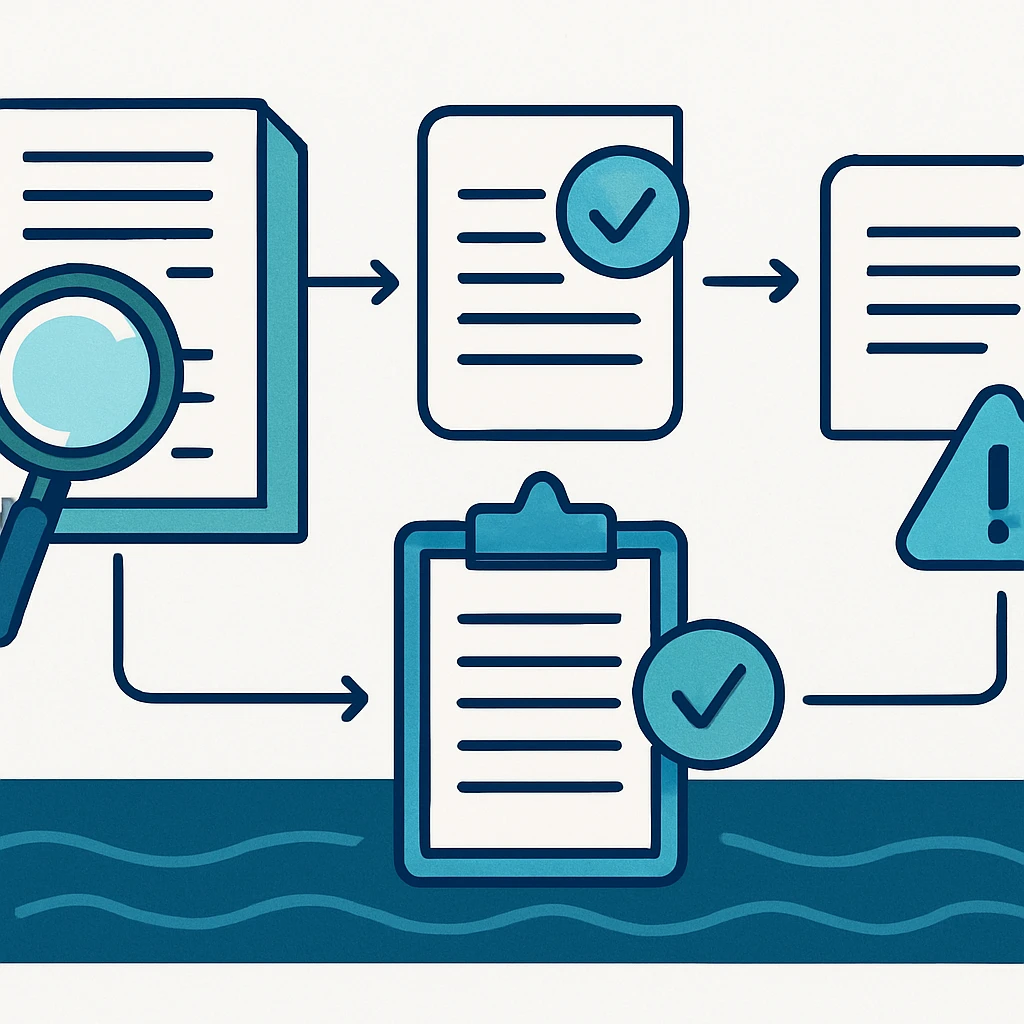
Connected steps in the subrecipient monitoring: responsibilities and risk controls process
01

Classify the relationship correctly

Before issuing an agreement, determine whether the other party is a subrecipient, contractor, consultant, or another relationship. The substance of the work matters more than the label used in the proposal.

Misclassification can lead to incorrect terms, budgeting, monitoring, and reporting.

1

Assess risk before and during the subaward

Risk factors may include experience, systems, audit results, financial stability, prior performance, location, complexity, key personnel, data, security, and the significance of the subaward.

The assessment should lead to proportionate actions such as more frequent reporting, technical assistance, special terms, or closer invoice review.

2

Monitor programmatic and financial performance together

Review progress reports, deliverables, invoices, cost detail where required, budget status, compliance information, and communication from the principal investigator. A clean invoice does not prove that the scope is on track.

Document follow-up and unresolved items so monitoring survives staff turnover.

3

Close and retain the subaward record

Confirm final deliverables, invoices, required reports, property, inventions, data, and other obligations. Resolve questioned costs and open commitments before the prime award closes.

The pass-through entity should keep the risk assessment, agreement, monitoring, communications, and closeout evidence together.


Practical review checklist for Subrecipient Monitoring: Responsibilities and Risk Controls
02

Practical Review Checklist

Use this checklist to prepare the conversation, record, or workflow before a deadline or formal review.

  • Document classification before agreement issuance.
  • Link risk factors to specific monitoring actions.
  • Involve the principal investigator in performance review.
  • Track findings and corrective actions to resolution.
  • Complete subaward closeout before prime-award deadlines.

Common questions

Questions Readers and Contributors Ask

Is audit review enough?

No. Audit information is one input. Monitoring also considers the subaward, performance, invoices, risk, and any project-specific obligations.

Should every subrecipient receive the same monitoring?

No. Monitoring should be proportionate to risk and updated when circumstances change.

Who approves subrecipient invoices?

Institutional processes vary, but programmatic confirmation and financial review should be coordinated rather than assumed.

Sources

Sources and Authoritative Guidance

These external resources provide additional policy or practice context. The journal’s own published policies govern its workflow.

Related reading

Continue With Connected Resources

Use these internal routes for a broader topic view or a closely related workflow.

Grants Management

Continue into the connected resource for definitions, context, and practical detail.

Open Grants Management

Apply the Guidance With the Governing Record in View

Confirm current sponsor terms, institutional policy, and responsible-office authority before acting on a real project.