Research Administration Insights
Sponsored Research Audit Readiness
Audit readiness is the ability to explain and support sponsored-research decisions with reliable records, consistent controls, and people who understand the work. It is built during ordinary operations, not assembled only after an audit notice arrives.
Publication: June 16, 2027Author: Journal Editorial TeamReview: Editorial standards checkStatus: Editorial · Not peer reviewed
1Practical context2Decision points3Action checklist4Common questions5Cited sources
Editorial status: This is a non-peer-reviewed explainer. Use the cited authoritative sources, applicable award terms, and institutional policy for decisions that create legal, financial, ethical, or compliance obligations.
01
Know the population and the control
Map awards, sponsors, subawards, systems, accounts, high-risk transactions, key reports, and responsible offices. For each major process, identify the control objective, owner, evidence, frequency, and escalation route.
A policy without evidence of operation is not the same as an effective control.
1Keep records connected to decisions
The record should show why a cost, transfer, rebudget, approval, invoice, subrecipient action, payroll change, or closeout step was appropriate. Documents scattered across personal email and drives are difficult to retrieve and interpret.
Use consistent naming, retention, permissions, and system-of-record expectations.
2Test before an external review
Risk-based internal testing can examine selected transactions, awards, or processes for design and operation. Findings should lead to root-cause analysis, corrective action, ownership, deadlines, and verification.
Repeated exceptions often indicate a process or system problem rather than isolated staff error.
3Respond to auditors with discipline
Designate a coordinator, preserve the request and response record, confirm scope, provide complete but relevant evidence, and track follow-up. Avoid speculative answers and inconsistent versions.
If a record is missing, state the facts and investigate rather than creating a document after the event.
02
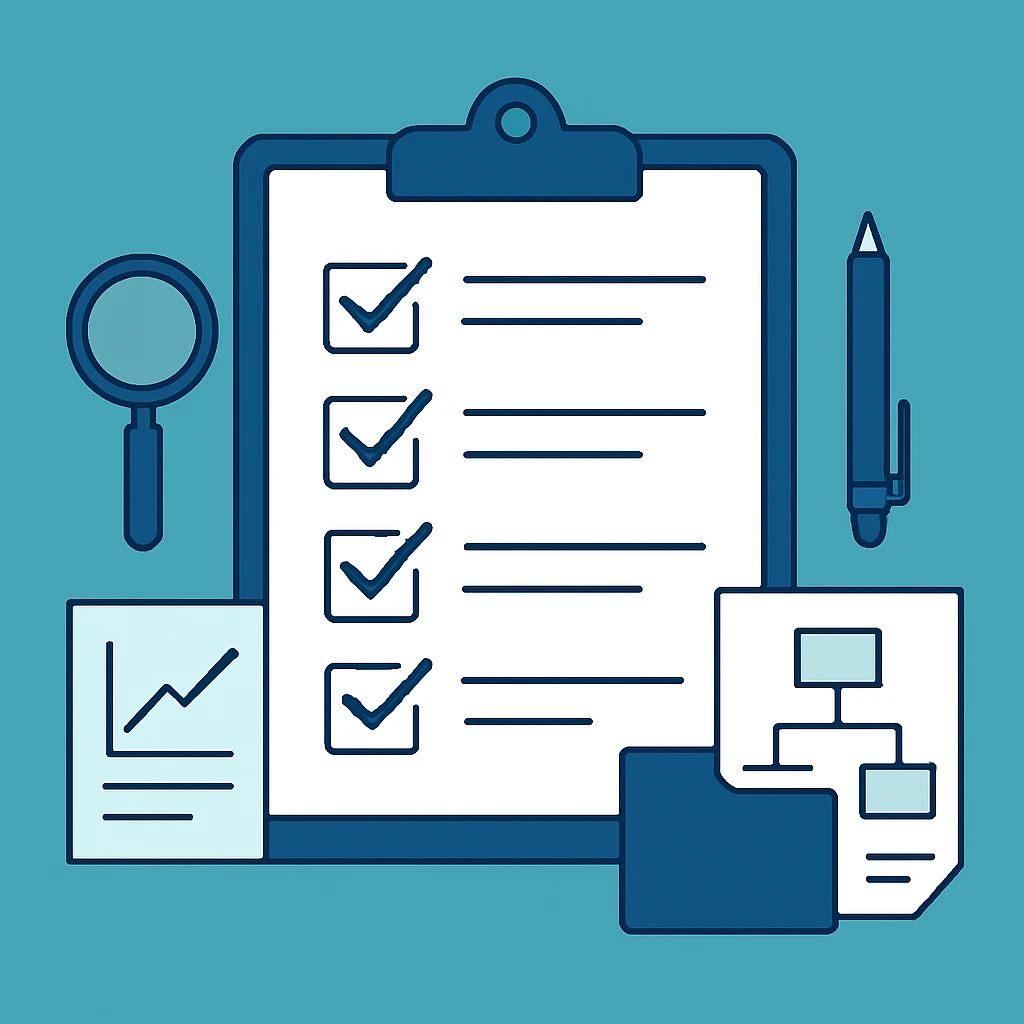
Practical Review Checklist
Use this checklist to prepare the conversation, record, or workflow before a deadline or formal review.
- Map controls and evidence for major award processes.
- Store decision support in approved systems.
- Test high-risk areas and repeated exceptions.
- Track corrective actions to verified completion.
- Coordinate audit responses through one controlled process.
Common questions
Questions Readers and Contributors Ask
Does a clean audit prove every transaction is correct?
No. Audits use defined scopes and samples. Continuous control and monitoring remain necessary.
What is the difference between monitoring and audit?
Monitoring is ongoing operational oversight; internal or external audit provides independent or structured assurance against defined criteria.
Should staff recreate missing documentation?
They should not fabricate contemporaneous evidence. They can document a current explanation that clearly states when and how it was prepared.
Sources
Sources and Authoritative Guidance
These external resources provide additional policy or practice context. The journal’s own published policies govern its workflow.
Related reading
Continue With Connected Resources
Use these internal routes for a broader topic view or a closely related workflow.
Sponsored Research
Continue into the connected resource for definitions, context, and practical detail.
Open Sponsored Research
Research Finance
Continue into the connected resource for definitions, context, and practical detail.
Open Research Finance
Subrecipient Monitoring
Continue into the connected resource for definitions, context, and practical detail.
Open Subrecipient Monitoring
Apply the Guidance With the Governing Record in View
Confirm current sponsor terms, institutional policy, and responsible-office authority before acting on a real project.