Research Administration Insights

The Future of Research Administration: Priorities for 2027 and Beyond

The future of research administration will be shaped by funding pressure, policy change, digital systems, artificial intelligence, research security, open science, workforce capacity, and growing expectations for evidence and service. Institutions need adaptable operating models rather than a series of disconnected emergency responses.

Publication: July 21, 2027Author: Journal Editorial TeamReview: Editorial standards checkStatus: Editorial · Not peer reviewed
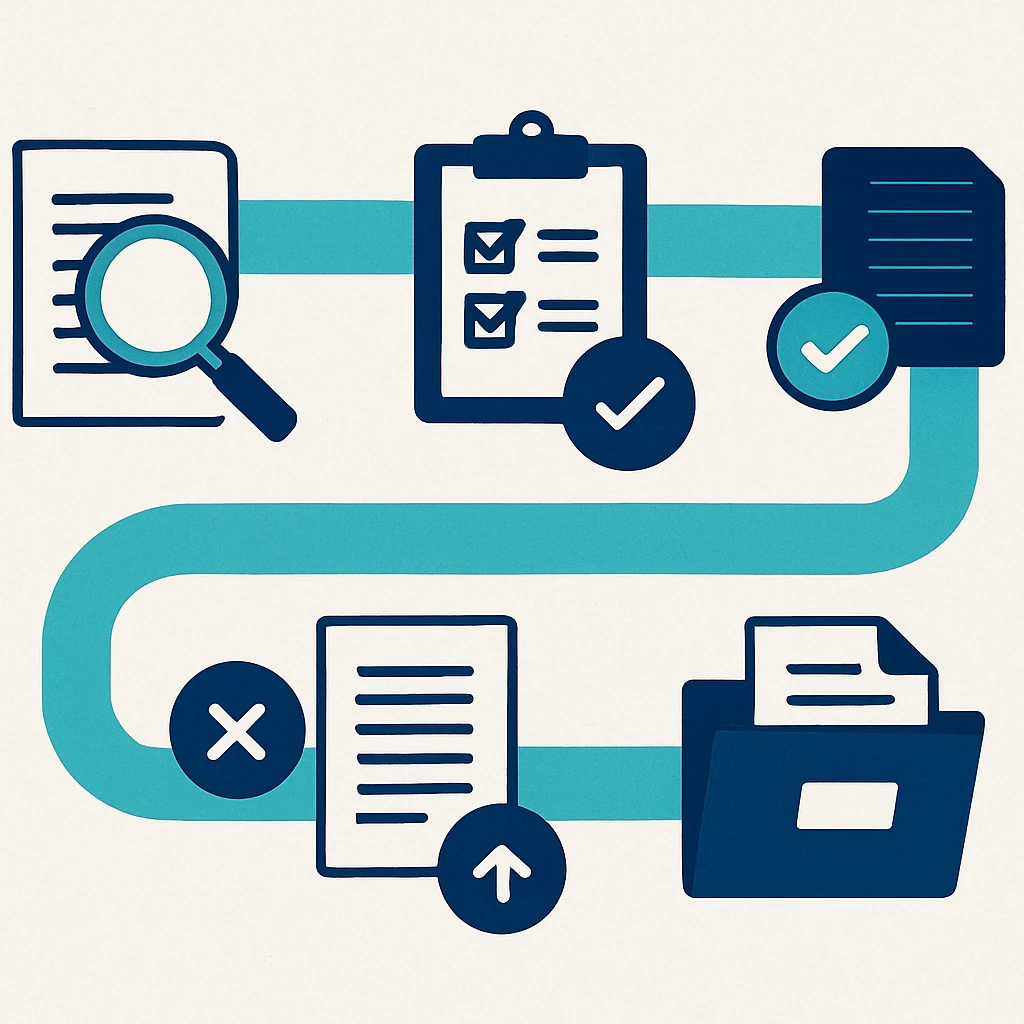
Editorial illustration representing The Future of Research Administration: Priorities for 2027 and Beyond future of research administration
1Practical context2Decision points3Action checklist4Common questions5Cited sources
Editorial status: This is a non-peer-reviewed explainer. Use the cited authoritative sources, applicable award terms, and institutional policy for decisions that create legal, financial, ethical, or compliance obligations.
Connected steps in the the future of research administration: priorities for 2027 and beyond process
01

Design around the lifecycle, not office boundaries

Researchers experience one project even when responsibilities cross many units. Shared intake, records, status visibility, decision rights, and handoffs can reduce duplication without erasing specialist authority.

Institutions should map end-to-end processes and fix recurring cross-office failure points.

1

Build a resilient professional workforce

Retirements, turnover, remote work, specialization, and expanding requirements create knowledge risk. Career pathways, workload design, supervision, cross-training, communities of practice, and documented decisions are operational necessities.

Automation should remove low-value repetition while preserving meaningful development and judgment.

2

Govern data and AI as infrastructure

Research offices need reliable data definitions, ownership, integration, access, quality, and retention before advanced analytics can be trusted. AI use adds questions about confidentiality, bias, accuracy, procurement, explainability, and accountability.

Institutions should evaluate use cases by consequence and monitor them after deployment.

3

Use policy change to improve, not only comply

New rules often expose older process weaknesses. A coordinated policy function can translate requirements, engage users, align systems, and evaluate whether implementation works.

The goal is a research environment where responsible decisions are clear, timely, and supported by evidence.


Practical review checklist for The Future of Research Administration: Priorities for 2027 and Beyond
02

Practical Review Checklist

Use this checklist to prepare the conversation, record, or workflow before a deadline or formal review.

  • Map lifecycle handoffs and shared records.
  • Invest in career pathways and knowledge continuity.
  • Create data governance before advanced analytics.
  • Classify and govern AI use cases by risk.
  • Evaluate whether policy implementation works in practice.

Common questions

Questions Readers and Contributors Ask

Will AI replace research administrators?

AI may change tasks and staffing models, but complex interpretation, negotiation, accountability, relationships, and institutional judgment remain central.

What capability deserves the most investment?

Institutions need a portfolio: people, process, data, systems, governance, and specialist expertise. Neglecting one can limit the others.

How can offices prepare for uncertain policy change?

Maintain clear ownership, modular processes, reliable inventories, change-control practices, and communication channels that can adapt quickly.

Sources

Sources and Authoritative Guidance

These external resources provide additional policy or practice context. The journal’s own published policies govern its workflow.

Related reading

Continue With Connected Resources

Use these internal routes for a broader topic view or a closely related workflow.

Apply the Guidance With the Governing Record in View

Confirm current sponsor terms, institutional policy, and responsible-office authority before acting on a real project.