
Research Administration Insights
A Practical Grant Proposal Development Timeline
A practical grant proposal timeline works backward from the sponsor deadline and gives the institution enough time to review the commitments it will make. The exact schedule depends on complexity, but early milestones reduce the risk of a rushed, internally inconsistent application.
 grant proposal development timeline
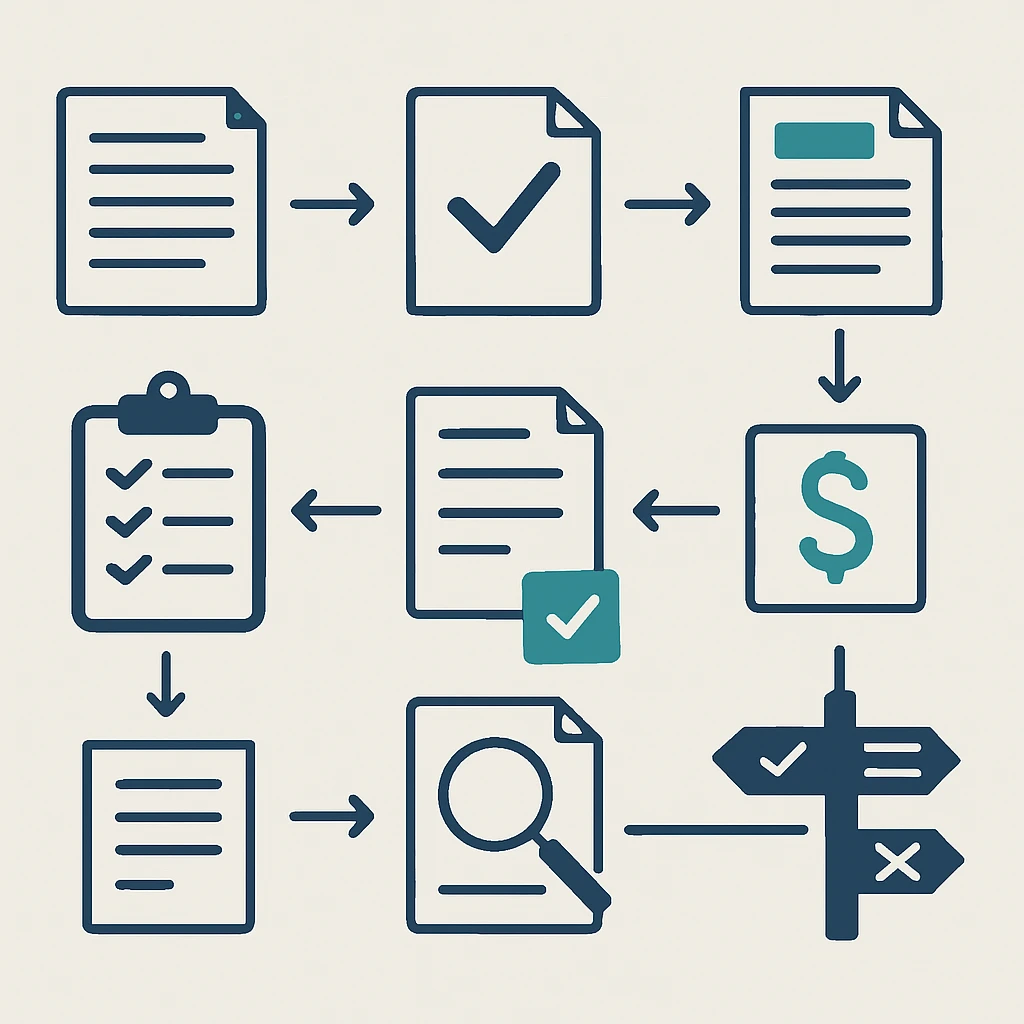
Six to eight weeks out: confirm fit and structure
Read the full opportunity, confirm eligibility, identify internal deadlines, and clarify the project’s central aims. Name collaborators, subrecipients, facilities, data needs, special reviews, and major budget categories.
Create a requirement matrix and assign an owner to every component. Complex international, clinical, security-sensitive, or cost-shared proposals may need more time.
Four to six weeks out: develop narrative and budget together
Build the work plan, timeline, staffing, and budget as one model. Request subrecipient materials early and give partners a clear internal deadline.
Start biosketches, facilities, data plans, letters, and other components that often take longer than expected.
Two to four weeks out: integrate and challenge the draft
Review the proposal against sponsor criteria, not only for grammar. Test whether aims, methods, milestones, personnel, resources, budget, and evaluation tell the same story.
Complete institutional disclosures and obtain specialist review for contracts, compliance, data, security, intellectual property, or unusual terms.
Final week: validate, authorize, and submit
Freeze major content early enough for final checks. Validate forms, attachments, file names, page limits, budgets, partner documents, and required certifications.
Submit before the sponsor cutoff when possible, preserve the confirmation, and save the exact final package for award negotiation and handoff.
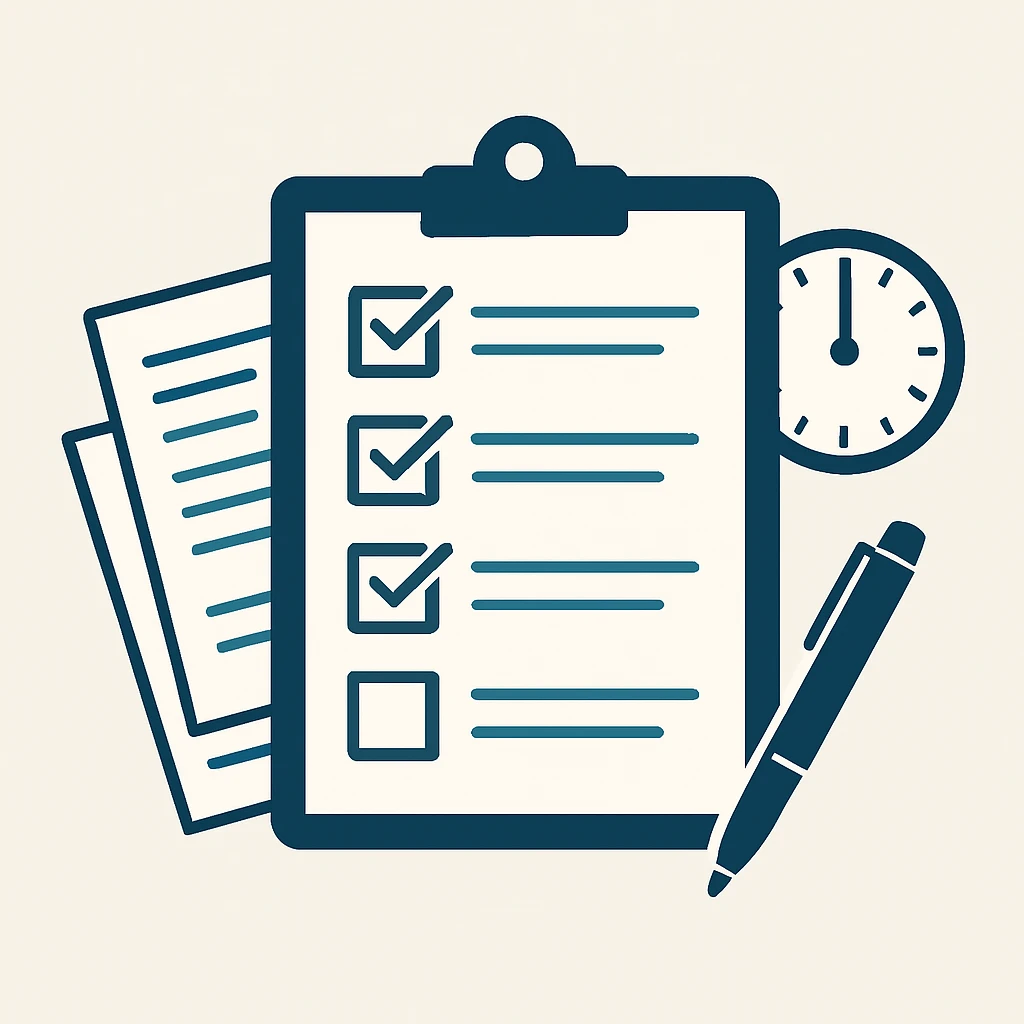
Practical Review Checklist
Use this checklist to prepare the conversation, record, or workflow before a deadline or formal review.
- Create a requirement matrix on day one.
- Set internal deadlines for collaborators and subrecipients.
- Develop scope and budget in parallel.
- Reserve time for institutional approval and system validation.
- Save the final submitted package and confirmation.
Common questions
Questions Readers and Contributors Ask
Can a strong proposal be prepared in a few days?
Sometimes, but compressed timelines increase the chance of incomplete commitments, weak integration, missing partner documents, and technical submission problems.
When should a budget be finalized?
Budget development should start early and stabilize with the work plan, while final adjustments remain possible until institutional review.
What should happen after submission?
Preserve the package, track sponsor communications, prepare for possible revisions, and record any changes before award.
Sources
Sources and Authoritative Guidance
These external resources provide additional policy or practice context. The journal’s own published policies govern its workflow.
Related reading
Continue With Connected Resources
Use these internal routes for a broader topic view or a closely related workflow.
Pre-Award Administration
Continue into the connected resource for definitions, context, and practical detail.
Grant Budget and Justification
Continue into the connected resource for definitions, context, and practical detail.
Research Grant Lifecycle
Continue into the connected resource for definitions, context, and practical detail.
Apply the Guidance With the Governing Record in View
Confirm current sponsor terms, institutional policy, and responsible-office authority before acting on a real project.