
Research Administration Insights
IRB, IACUC, and IBC: Research Oversight Committees Explained
IRBs, IACUCs, and IBCs oversee different areas of research. An Institutional Review Board focuses on human-subject protections, an Institutional Animal Care and Use Committee oversees covered animal activities, and an Institutional Biosafety Committee addresses specified biological research and containment responsibilities.
 IRB IACUC IBC
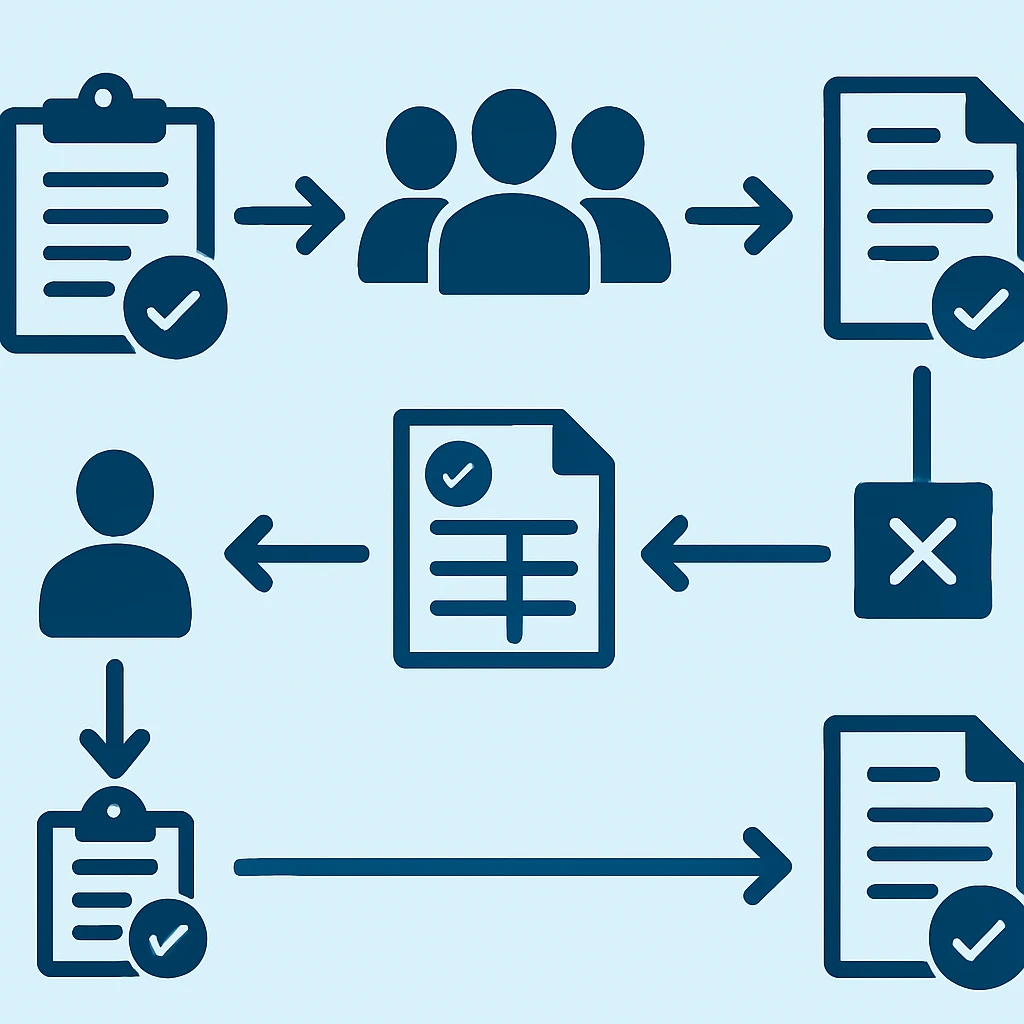
IRB: human-subject research
An IRB reviews whether covered research protects participants through appropriate risk assessment, consent, selection, privacy, data protections, and additional safeguards when needed. Not every activity involving people is regulated human-subject research, so institutions need a qualified determination process.
Changes, continuing responsibilities, events, and closure requirements depend on the study and applicable framework.
IACUC: animal care and use
An IACUC evaluates covered animal protocols, humane endpoints, alternatives, pain and distress, veterinary care, personnel qualifications, facilities, and program responsibilities.
Approval does not replace day-to-day responsibility. Investigators and animal-care staff must follow the approved protocol and report significant deviations or welfare concerns.
IBC: biosafety and biological research
An IBC reviews activities covered by applicable biosafety policies, including certain recombinant or synthetic nucleic acid research and institutional containment practices. The committee may consider agents, procedures, facilities, training, occupational health, waste, transport, and emergency response.
Biosafety review can intersect with IRB, IACUC, security, export, environmental, and clinical requirements.
Coordinate, but do not collapse, the reviews
A single project may need more than one committee. Shared intake and status visibility can reduce duplication, but each body must make the decision within its authority.
Researchers should describe the full activity consistently across protocols, grants, contracts, data plans, and facility records.
Practical Review Checklist
Use this checklist to prepare the conversation, record, or workflow before a deadline or formal review.
- Seek a formal determination when applicability is uncertain.
- Submit consistent scope and procedures across reviews.
- Do not begin covered work before required approval.
- Report changes and incidents through the responsible route.
- Track training, facilities, and personnel as well as documents.
Common questions
Questions Readers and Contributors Ask
Can one committee approve another committee’s area?
No. Coordination can streamline the process, but each committee acts within its own authority.
Does sponsor funding determine whether review is required?
Funding can affect requirements, but the activity, law, policy, institution, and location also matter.
What if a project changes after approval?
Assess the change before implementation and obtain amendment or additional review when required.
Sources
Sources and Authoritative Guidance
These external resources provide additional policy or practice context. The journal’s own published policies govern its workflow.
Related reading
Continue With Connected Resources
Use these internal routes for a broader topic view or a closely related workflow.
Research Compliance
Continue into the connected resource for definitions, context, and practical detail.
Research Compliance Framework
Continue into the connected resource for definitions, context, and practical detail.
Clinical Research Administration
Continue into the connected resource for definitions, context, and practical detail.
Apply the Guidance With the Governing Record in View
Confirm current sponsor terms, institutional policy, and responsible-office authority before acting on a real project.