Research Administration Insights

How Institutions Can Approach Research Impact Assessment

Research impact assessment examines how research contributes to change beyond the immediate production of outputs. Institutions can use it for learning, strategy, accountability, partnership development, and resource decisions, but the method should fit the purpose and avoid simplistic claims.

Publication: May 5, 2027Author: Journal Editorial TeamReview: Editorial standards checkStatus: Editorial · Not peer reviewed
Editorial illustration representing How Institutions Can Approach Research Impact Assessment research impact assessment
1Practical context2Decision points3Action checklist4Common questions5Cited sources
Editorial status: This is a non-peer-reviewed explainer. Use the cited authoritative sources, applicable award terms, and institutional policy for decisions that create legal, financial, ethical, or compliance obligations.
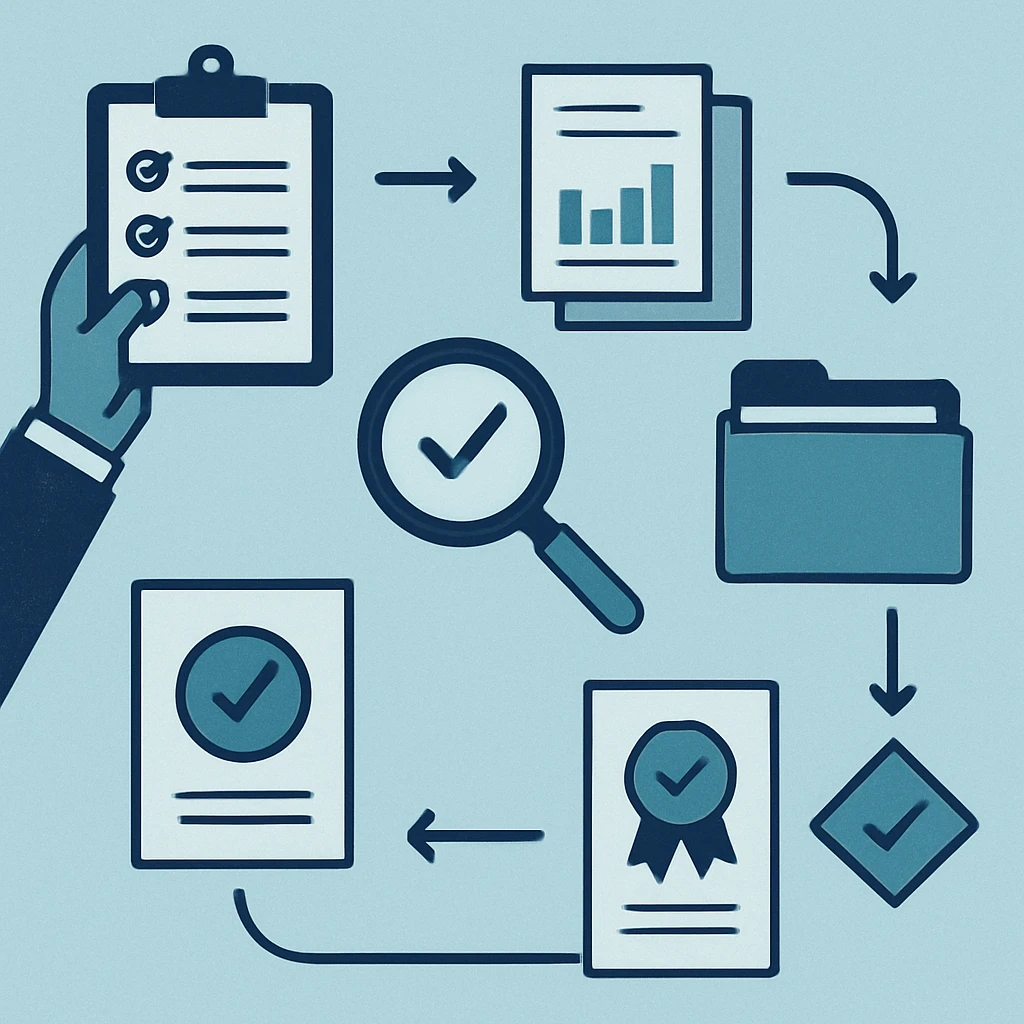
Connected steps in the how institutions can approach research impact assessment process
01

Define impact and the decision it will inform

Before choosing metrics, clarify whether the assessment concerns scholarly influence, policy, practice, health, economy, environment, culture, capacity, education, or community benefit. Define the unit, audience, timeframe, and decision.

A department review, a project case study, and an institutional strategy require different evidence.

1

Map plausible pathways

A theory of change can connect inputs, activities, outputs, engagement, short-term outcomes, and longer-term impact. It should include assumptions, context, other contributors, and potential negative or unintended effects.

Impact may emerge through relationships, standards, tools, trained people, policy advice, products, or cumulative evidence.

2

Use mixed evidence and responsible metrics

Citations, downloads, patents, policy mentions, adoption, guidelines, partnerships, training, and economic indicators can be useful, but each measures something different. Qualitative evidence can explain mechanism and significance.

Avoid treating a single database or score as a complete measure of quality or impact.

3

Make contribution claims that match the evidence

Research rarely acts alone. Case studies should distinguish direct evidence from inference and explain alternative influences, uncertainty, reach, and durability.

Assessment should support learning, not merely create promotional stories.

Practical review checklist for How Institutions Can Approach Research Impact Assessment
02

Practical Review Checklist

Use this checklist to prepare the conversation, record, or workflow before a deadline or formal review.

  • Start with purpose, audience, and decision.
  • Define impact categories and timeframe.
  • Map pathways and assumptions.
  • Combine quantitative and qualitative evidence.
  • State contribution and limitations honestly.

Common questions

Questions Readers and Contributors Ask

How long does research impact take?

Timeframes vary widely by field, pathway, context, and type of change. Short-term engagement can be meaningful without proving long-term impact.

Are citations an impact measure?

They indicate scholarly attention and influence, not every form of quality or societal change.

Can impact be assessed prospectively?

Teams can plan pathways, stakeholders, and indicators, but future impact should not be presented as achieved evidence.

Sources

Sources and Authoritative Guidance

These external resources provide additional policy or practice context. The journal’s own published policies govern its workflow.

Related reading

Continue With Connected Resources

Use these internal routes for a broader topic view or a closely related workflow.

Technology Transfer

Continue into the connected resource for definitions, context, and practical detail.

Open Technology Transfer

Apply the Guidance With the Governing Record in View

Confirm current sponsor terms, institutional policy, and responsible-office authority before acting on a real project.