Planning and documentation
A data management plan defines data types, formats, metadata, responsibilities, storage, access, sharing, preservation, and costs.

Research administration topic
Research data management is the planning and stewardship of data across collection, documentation, storage, access, analysis, sharing, preservation, and disposal. It connects scientific needs with privacy, security, sponsor policy, consent, intellectual property, and reproducibility.
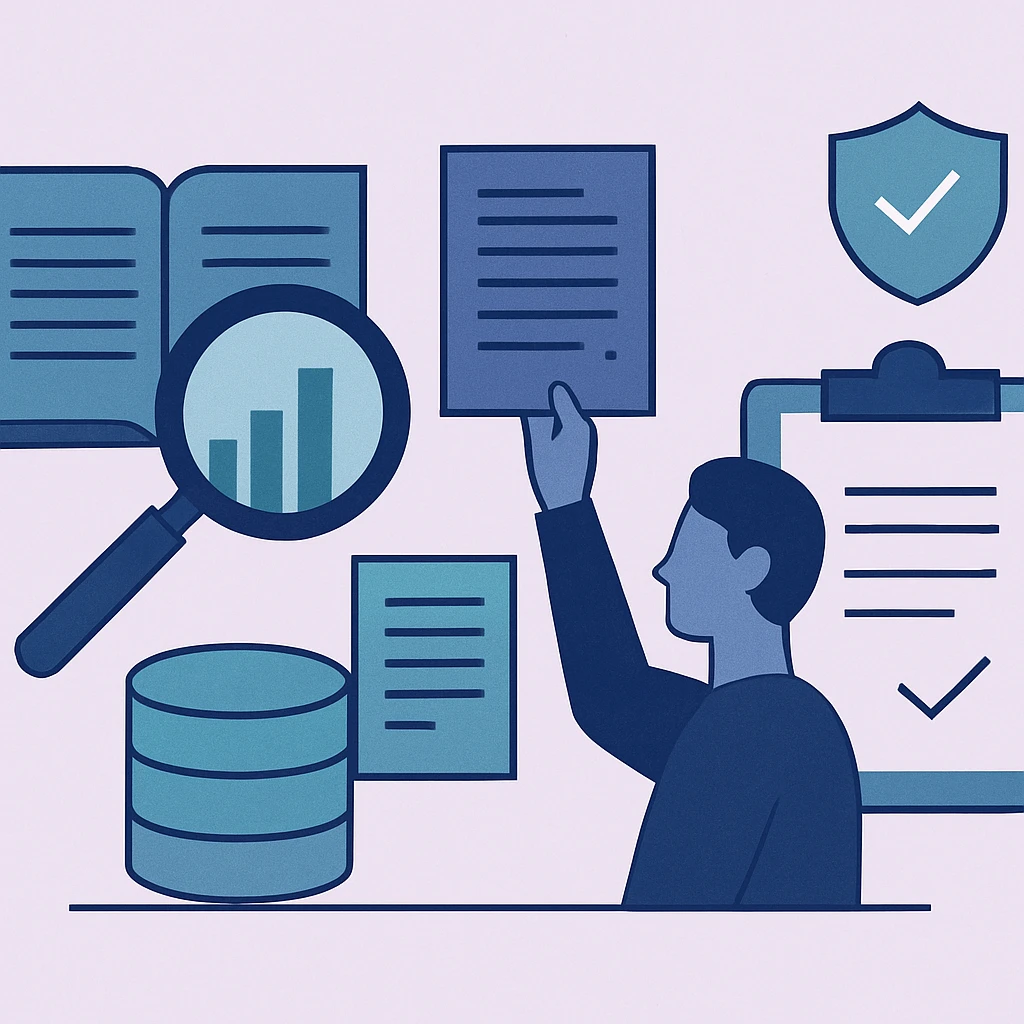 research data management
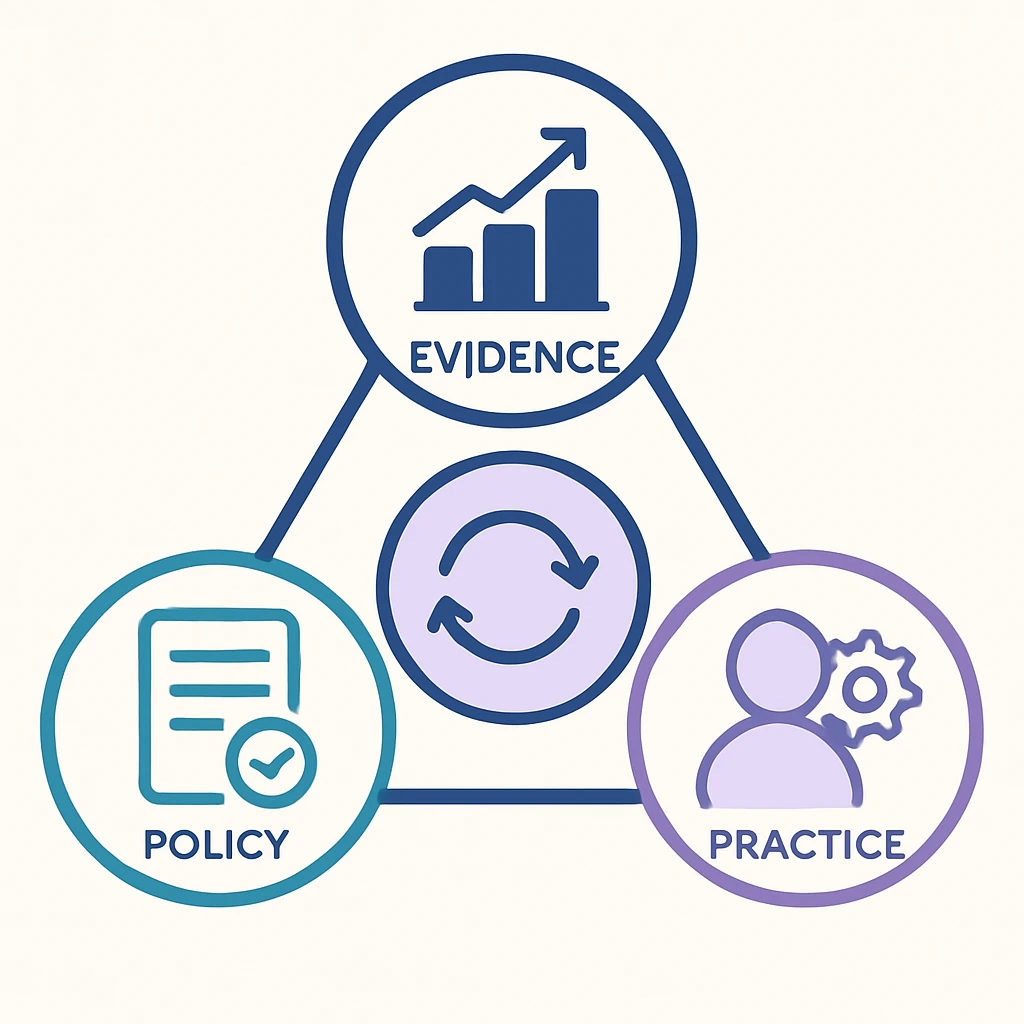
Defined term: Research data management is the planning and stewardship of data across collection, documentation, storage, access, analysis, sharing, preservation, and disposal. It connects scientific needs with privacy, security, sponsor policy, consent, intellectual property, and reproducibility.
Scope becomes clearer when responsibilities, authority, records, and decision points are visible. The dimensions below show how the topic operates across the research enterprise.
Core dimensions
Each area requires policy knowledge, usable processes, clear ownership, and professional judgment.
A data management plan defines data types, formats, metadata, responsibilities, storage, access, sharing, preservation, and costs.
Controls should match the sensitivity, consent, agreements, law, sponsor terms, and risk associated with the data.
Findability and reuse depend on documentation, appropriate repositories, identifiers, licensing, and durable file formats.
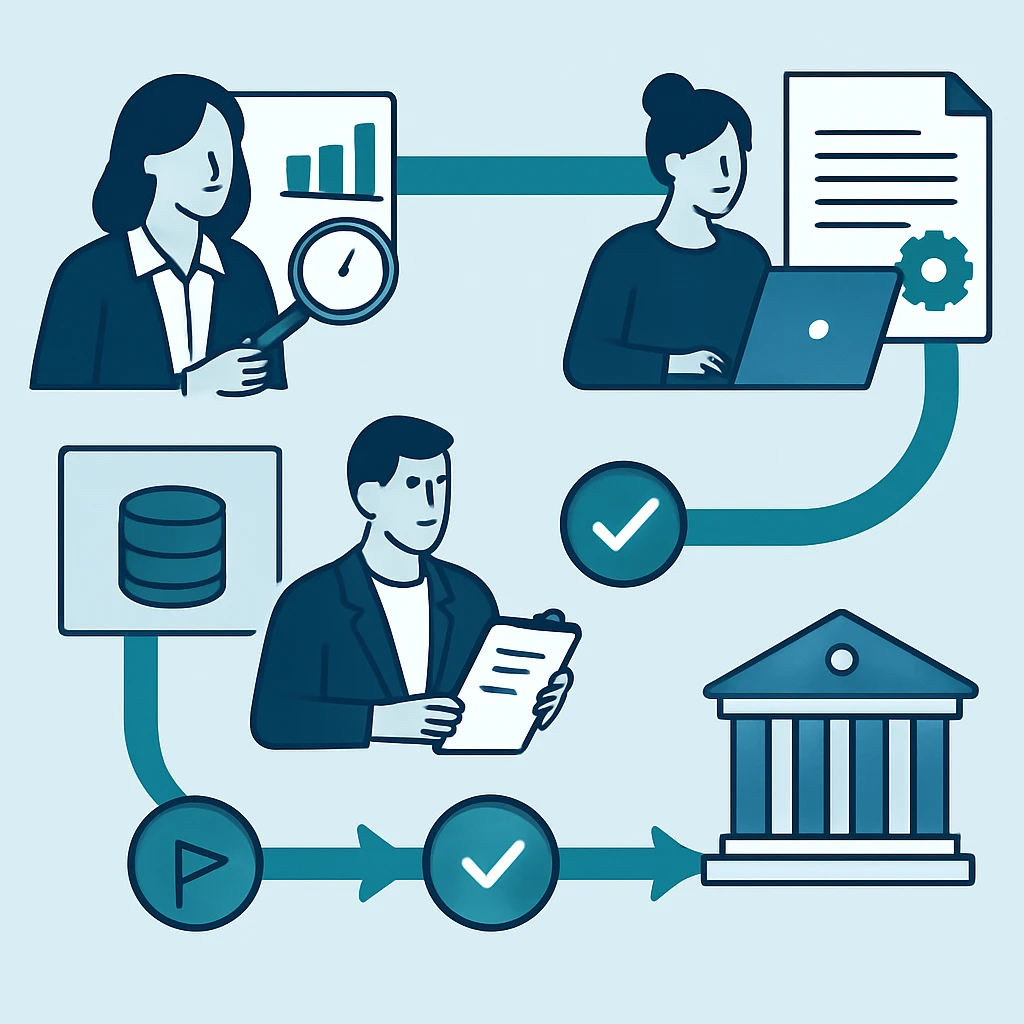
Local structures vary, but the work generally moves through a sequence of definition, review, authorization, performance, monitoring, and learning.

Good data management reduces confusion inside the team and makes later verification, reuse, and reporting more realistic. A plan should be revisited when methods, collaborators, systems, consent, or sharing expectations change.
Measures should be defined carefully and interpreted with context. A faster process is not necessarily better when it creates rework, weakens oversight, or shifts hidden effort to another team.
Related resources
Use these routes to move from the broad topic into a focused workflow or decision.
Read the connected resource for deeper context, practical steps, and related questions.
Read the connected resource for deeper context, practical steps, and related questions.
Read the connected resource for deeper context, practical steps, and related questions.
Common questions
No. It also covers collection, organization, documentation, storage, backup, access, quality, preservation, responsibilities, and costs.
Not necessarily. Re-identification risk depends on the data, context, linked information, access, and technical approach.
Named roles should be assigned across investigators, research staff, data stewards, IT, compliance, repositories, and collaborators as applicable.
Sources
These external resources provide additional policy or practice context. The journal’s own published policies govern its workflow.
Move into a related guide, compare connected topic hubs, or search the journal archive for relevant records.