Study startup
Protocol review, feasibility, coverage analysis, budget, contract, regulatory submissions, training, systems, and site readiness must align.

Research administration topic
Clinical research administration coordinates contracts, budgets, regulatory approvals, study activation, participant-related operations, data responsibilities, billing, safety reporting, monitoring, and closeout for research involving clinical settings or interventions.
 clinical research administration

Defined term: Clinical research administration coordinates contracts, budgets, regulatory approvals, study activation, participant-related operations, data responsibilities, billing, safety reporting, monitoring, and closeout for research involving clinical settings or interventions.
Scope becomes clearer when responsibilities, authority, records, and decision points are visible. The dimensions below show how the topic operates across the research enterprise.
Core dimensions
Each area requires policy knowledge, usable processes, clear ownership, and professional judgment.
Protocol review, feasibility, coverage analysis, budget, contract, regulatory submissions, training, systems, and site readiness must align.
Consent, privacy, safety, investigational products, data quality, and protocol adherence require specialized oversight.
Enrollment assumptions, per-participant costs, invoicing, amendments, sponsor payments, and study staffing affect viability.
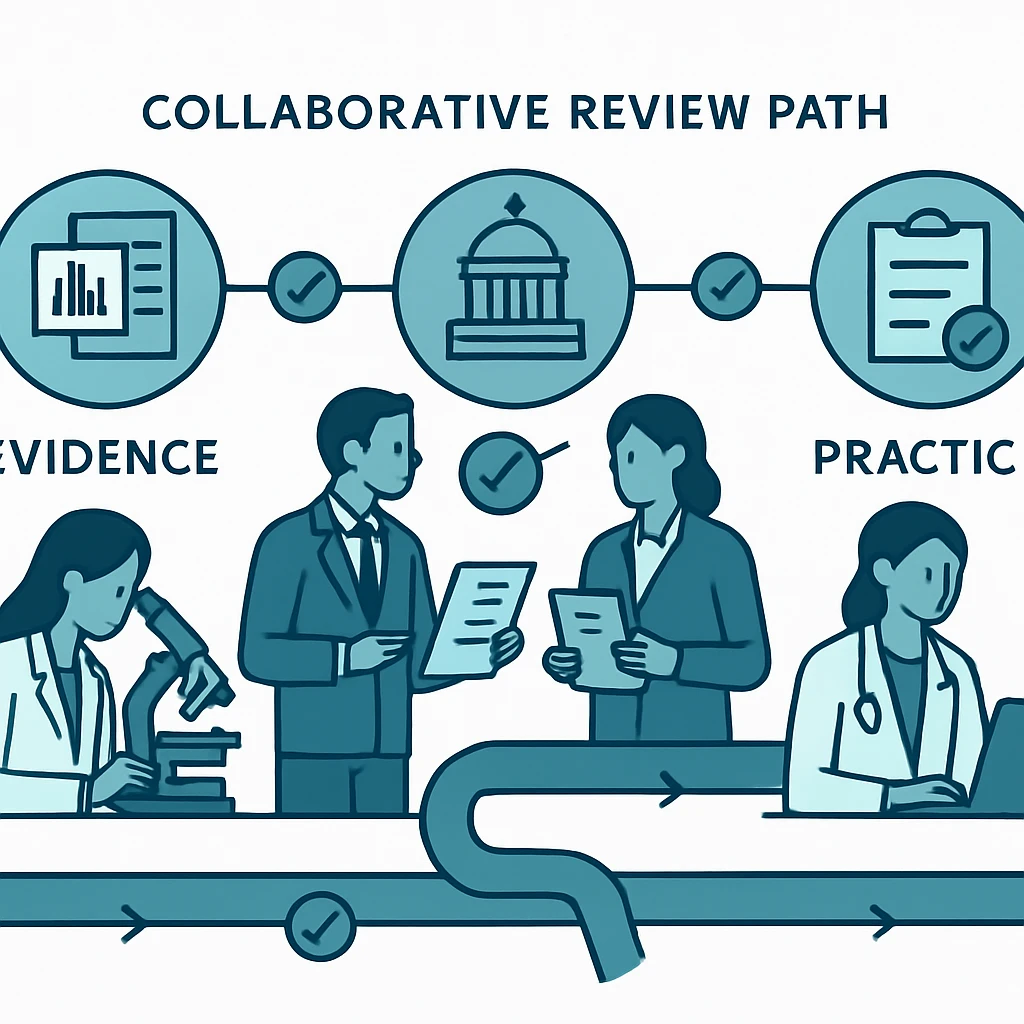
Local structures vary, but the work generally moves through a sequence of definition, review, authorization, performance, monitoring, and learning.

Activation speed is important, but a fast startup that leaves unresolved budget, privacy, coverage, pharmacy, laboratory, data, or staffing issues can create greater delays later. Balanced measures should consider readiness and quality as well as elapsed time.
Measures should be defined carefully and interpreted with context. A faster process is not necessarily better when it creates rework, weakens oversight, or shifts hidden effort to another team.
Related resources
Use these routes to move from the broad topic into a focused workflow or decision.
Read the connected resource for deeper context, practical steps, and related questions.
Read the connected resource for deeper context, practical steps, and related questions.
Read the connected resource for deeper context, practical steps, and related questions.
Common questions
Contract obligations create costs, and budget assumptions influence whether the site can perform the promised work responsibly.
Activation is the controlled point at which a site is authorized and operationally ready to begin the approved study activities.
Protocol amendments can affect consent, budget, contract, coverage, training, data systems, safety processes, and participant communication.
Sources
These external resources provide additional policy or practice context. The journal’s own published policies govern its workflow.
Move into a related guide, compare connected topic hubs, or search the journal archive for relevant records.