
Research Administration Insights
Core Elements of an Institutional Research Security Program
An institutional research security program coordinates disclosure, risk review, training, information protection, export controls, travel, international engagement, incident response, and sponsor requirements. It should protect research without treating nationality or international collaboration as a proxy for risk.
 research security program
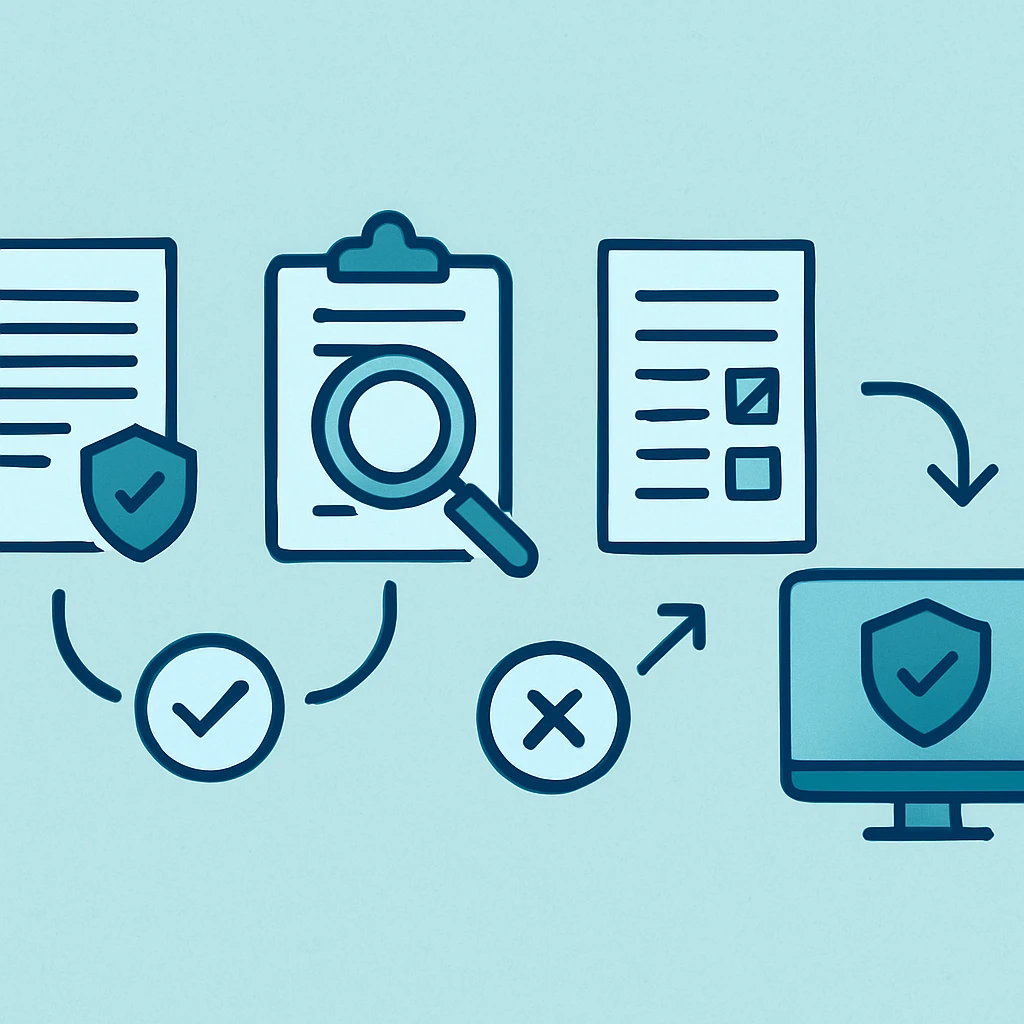
Define governance and a coordinated entry point
Assign accountable leadership and clarify the roles of research security, sponsored programs, conflicts, export control, information security, legal counsel, international offices, human resources, and research leadership.
Researchers should not receive conflicting answers from separate offices. A coordinated intake route can direct the matter to the right expertise.
Build accurate disclosure and review processes
Institutions need consistent information about appointments, affiliations, support, resources, collaborations, travel, and outside obligations. Definitions and timing should be clear, and corrections should be possible.
Review should focus on actual commitments, access, sponsor terms, technology, data, and behavior.
Apply proportionate safeguards
Controls may include access restrictions, secure systems, contract terms, export review, travel briefings, visitor processes, data-management measures, and incident reporting. The control should match the identified risk.
Overbroad controls can damage legitimate collaboration and discourage disclosure.
Prepare for incidents and program review
A program needs triage, evidence preservation, communications, legal and sponsor coordination, corrective action, and fair assessment. Exercises can test whether roles are understood.
Metrics should examine timeliness, recurring issues, control effectiveness, user understanding, and false-positive burden.

Practical Review Checklist
Use this checklist to prepare the conversation, record, or workflow before a deadline or formal review.
- Create one coordinated research-security intake route.
- Use clear, consistent disclosure definitions.
- Base controls on documented risk factors.
- Protect due process and avoid nationality-based assumptions.
- Exercise incident response and review program effects.
Common questions
Questions Readers and Contributors Ask
Is research security only a federal-funding issue?
No. Sponsor terms, contracts, export rules, cybersecurity, intellectual property, and institutional responsibilities can apply more broadly.
Should every international collaboration receive special restrictions?
No. Review should be based on the activity, obligations, access, data, technology, sponsor, and other evidence.
How should a researcher correct an earlier disclosure?
Use the institution’s official correction route promptly and provide complete context rather than waiting for an external inquiry.
Sources
Sources and Authoritative Guidance
These external resources provide additional policy or practice context. The journal’s own published policies govern its workflow.
Related reading
Continue With Connected Resources
Use these internal routes for a broader topic view or a closely related workflow.
Research Security
Continue into the connected resource for definitions, context, and practical detail.
Export Controls in University Research
Continue into the connected resource for definitions, context, and practical detail.
Research Data Management
Continue into the connected resource for definitions, context, and practical detail.
Apply the Guidance With the Governing Record in View
Confirm current sponsor terms, institutional policy, and responsible-office authority before acting on a real project.